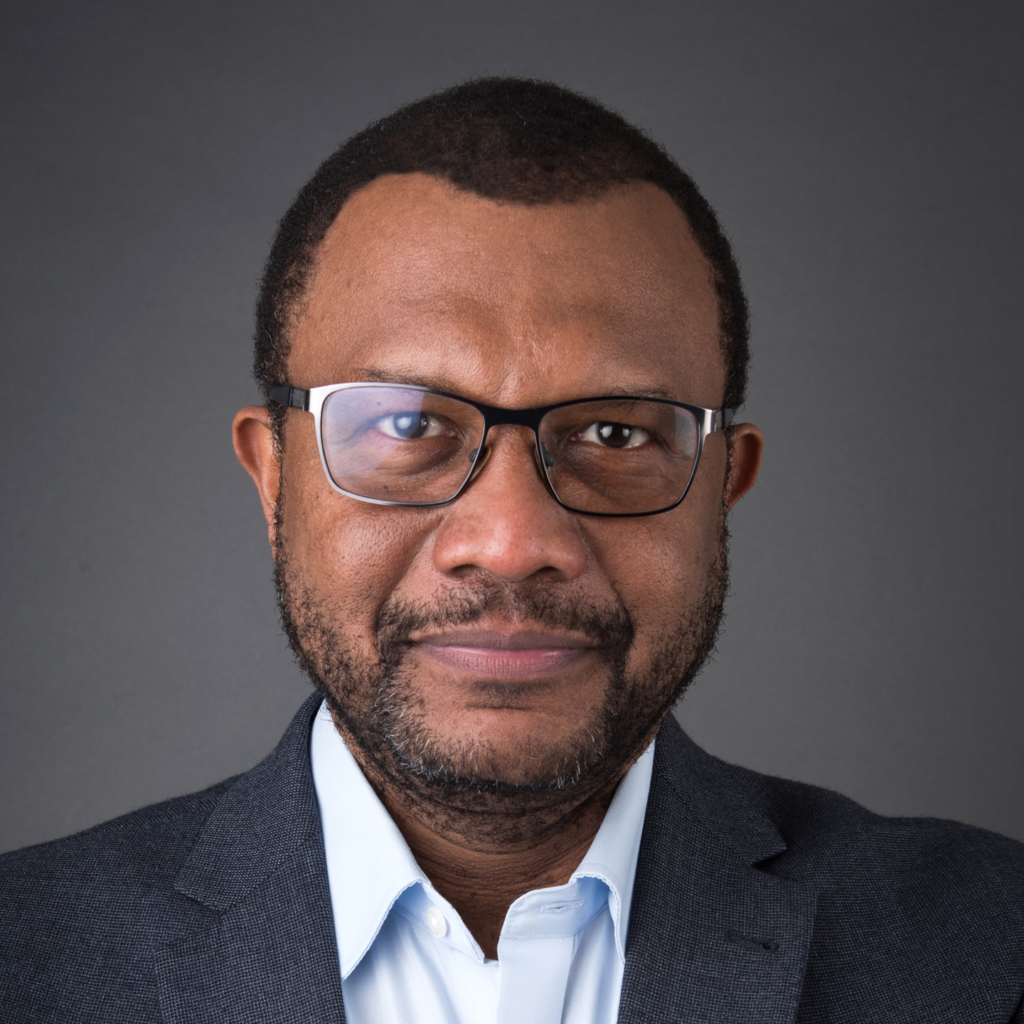
Geraldine O’Callaghan, Director of the United Nations World Food Programme (WFP) Global Office in London, tells us about her career journey, what inspired her, and why she advises Parliamentarians to front-load investment in nutrition
It was the merger of DFID (Department for International Development) with the FCDO (Foreign and Commonwealth Development Office) in the summer of 2020 that made Geraldine O’Callaghan realise her true passion lay in international development.
Geraldine first joined DFID in 2000 from the NGO sector, when Clare Short was setting up the department’s work on conflict and security. “I was one of the first advisers who came in and focused on security issues,” Geraldine recalls.
It was the beginning of a journey that took her to Jamaica as Development Director, then to Uganda and on to South Sudan. She returned to London as the Deputy Director of Asia Pacific, working with countries transitioning from aid recipients to donors. Her next role was as Development Director and Deputy Ambassador to Zimbabwe.
But a preoccupation with conflict’s derailing effect on development has been constant throughout her career, sparked by Band Aid as a teenager, which inspired her to volunteer as a teacher in Zimbabwe and campaign for Oxfam.
“It was the Rwandan genocide that first made me think deeply about what holds a country back and what propels it forward,” she says.
Now Director of the World Food Programme (WFP) Global Office in London, Geraldine focuses on conflict and its destabilising effect even more.
It is no coincidence, she notes, that while more conflicts are raging than at any other time since the Second World War, global hunger has surged from 135 million severely hungry people in 2019 to around 318 million in 2025.
The combined pressures of conflict, natural disasters and debt are flatlining economies, creating chronic issues like malnutrition, she says. Millions more people do not know where their next meal is coming from, at a time when humanitarian agencies are grappling with an historic funding gap.
A gap, which, as we know, widened in 2025.
Geraldine is proud to lead WFP in London, a dynamic organisation focused on tangible results delivered by a network of “creative and brave people.”
Innovation is undoubtedly required as the chasm between soaring need and waning funding increases exponentially. The consensus across the world to help the poorest communities is not holding, she says.
Prevention must be part of the answer. Without the huge funds required to respond to humanitarian crises, the answer is to prevent them from happening, she believes.
Her advice to Parliamentarians is to think much more about front-loading interventions, making savings and efficiencies by investing more at the start. In practice, this means acting early when it is possible to predict a natural disaster, supporting risk insurance, conflict prevention, and nutrition. “We know that investment in the nutrition of mothers and babies has huge economic benefits that last throughout their lives,” she says.
That is why WFP is focused on working upstream with governments on school meal programmes, which are more than 90% domestically funded and therefore more sustainable over the medium term. Although not a panacea, school meals are a way of getting governments to think about nutrition sustainably. “They attract girls to enrol in school, and this helps with education and long-term economic development,” she says.
Nevertheless, Geraldine understands that sometimes even the most creative solutions are not enough, a conclusion drawn after a visit to Afghanistan, where development funding was slashed when the Taliban came to power. WFP colleagues had creative ideas targeting people most in need, pre-positioning food before winter and adding supplements to bread and flour. Nevertheless, malnutrition increased by 20%.
The uncomfortable reality is that WFP, like others in the sector, must navigate a balance between keeping people nourished and keeping them alive.
It can be hard for her colleagues, some of whom are exposed to danger in conflict zones where food is weaponised. “In Sudan, both sides are frustrating access to food, so our teams are navigating that, while people are starving or being brought to the brink of starvation, which, especially for women and children, will impact the rest of their lives.”
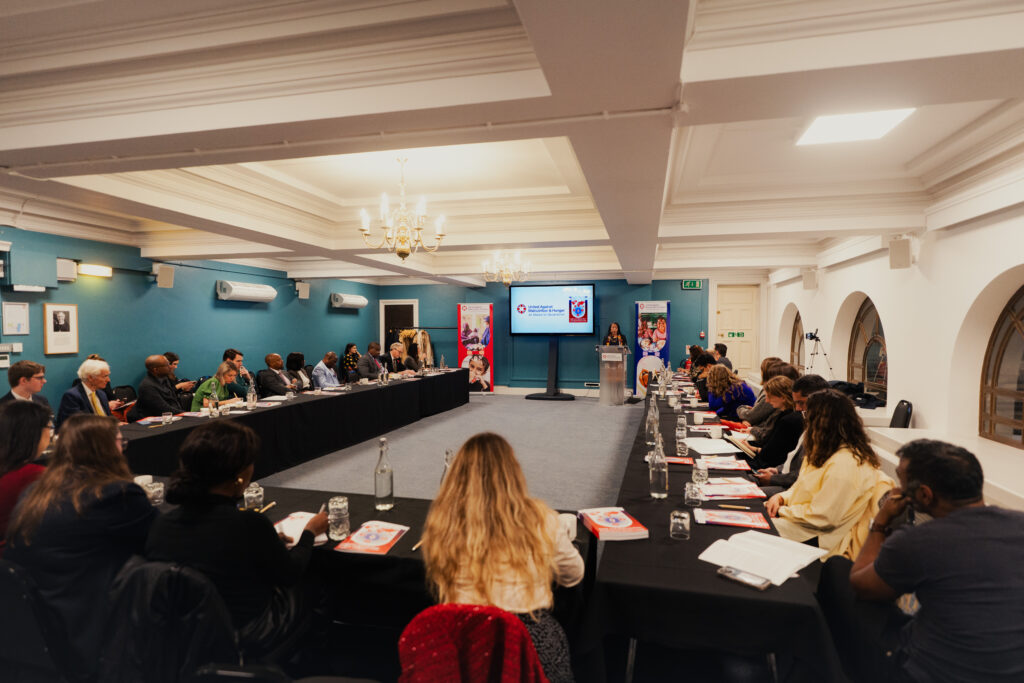
The International Development Committee’s Inquiry into International Humanitarian Law (IHL) – to which UAMH submitted evidence – was welcome and timely, she says. But the Government should balance diplomatic efforts and robust compliance with IHL and greater accountability for those who violate it.
Geraldine finishes by recalling the words of William Cobbett (1763-1835), journalist and Parliamentarian, who said, “I defy you to agitate any fellow with a full stomach.”
The fundamental human needs remain the same, she says. Without food, water and shelter, people will stay put and die, or they will fight or move.
“Hunger has a massively destabilising effect. That is why we must do something about it.”